
Certain products and foods can produce a false positive when a person has not consumed alcohol. Alcohol is processed using what’s known as a half-life — the time it takes for your body to eliminate half of the substance. But to fully cleanse your system, you’ll need about five half-lives, or about 25 hours total. So, for instance, if you stopped drinking at midnight, your body may still be processing alcohol until late the next night.
The rate at which alcohol is metabolized depends on various factors, including genetics, the amount consumed, age, weight, and food intake. While blood alcohol content (BAC) tests are the most accurate method for measuring alcohol levels in the body, alcohol can also be detected in urine through ethyl glucuronide (EtG) tests. EtG is a compound produced by the liver when it digests alcohol, and it can be detected in urine for up to 80 hours after consumption. ETG calculators can provide an estimate of the concentration of EtG in an individual’s system and predict how long it might remain detectable in urine. However, it’s important to note that these calculators are not guaranteed to be 100% accurate due to the complexities of individual variations in metabolism, health, and other factors.
- For instance, positive urine tests often lead to prosecutions in DUI cases and ensure compliance with court-ordered abstinence during probation.
- A breathalyzer can usually detect alcohol consumption within the past 4 to 6 hours.
- Exercise, such as running, swimming, or biking, can improve blood flow and liver function, helping to clear alcohol faster.
- Yes, many insurance plans cover addiction treatment, including services like detox, rehab, therapy, and medication-assisted treatment.
How long is alcohol detectable in urine after drinking?
Someone may test negative for drinking alcohol when they have had alcohol recently. Nowadays, EtG urine tests are one of the most common ways to check for alcohol consumption. They don’t only test whether you have or haven’t used alcohol — they may also indicate how much recent drinking has taken place. Finally, while ETG tests are widely used, they are not the only method for verifying alcohol consumption. Breath, hair, and blood tests can also detect recent alcohol consumption and may provide additional or complementary information.
- However, if you’re concerned about EtG detection, remember that this test can detect alcohol use for up to 80 hours, or a little over three days.
- Coverage varies by plan, so it’s important to check with your provider to understand what is included and any out-of-pocket costs.
- Here, a physician breaks down the alcohol metabolism process and how booze can be detected in your body.
- Nowadays, EtG urine tests are one of the most common ways to check for alcohol consumption.
Beyond Urine: A Quick Look at Other Alcohol Detection Methods
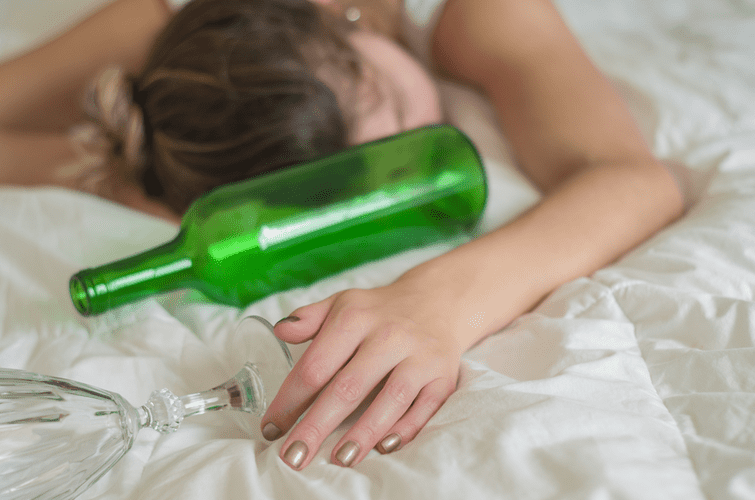
The rate at which alcohol is metabolized also varies from person to person and depends on factors such as genetics, age, weight, and how much food was consumed. The Ethyl Glucuronide (EtG) urine test and the Ethyl Sulfate (EtS) urine test are two prominent types of urine alcohol tests that detect the presence of specific metabolites indicative of alcohol intake. EtG and EtS tests are highly sensitive, identifying the presence of alcohol in urine for up to 80 hours after consumption. These tests are particularly valuable due to their extended detection windows, making them useful in legal and medical contexts. The length of time alcohol stays in your urine depends heavily on the type of test used.
How to Ensure Accurate Results
To ensure the sample is not tampered with, you may be asked to empty your pockets, and the water in the toilet may be dyed blue. You will be instructed to provide a midstream sample to reduce the risk of contamination. Talk to Docus AI Doctor, generate health reports, get them validated by Top Doctors from the US and Europe. Docus partners with top medical experts to provide trusted health insights and second opinions in urology. Upload your lab tests, receive detailed interpretations, personalized insights and recommendations. This test looks for a byproduct of alcohol and can detect use even after the alcohol has left your system.
You are in an alcohol overdose when you drink enough alcohol to slow functions like breathing or heart rate to dangerously low levels. drug addiction The amount of time alcohol can be detected in your system depends on the type of test used. Alcohol is metabolized quickly, in general, so law enforcement and medical professionals often rely on outward signs, like slurred speech or the smell of alcohol, to confirm their suspicions.
Are the tests accurate?
It is important to note that factors like the amount and frequency of alcohol intake, individual metabolism, and use of certain medications can influence urine test accuracy. Heavy drinking can lead to prolonged detectability of alcohol in urine and increase the risk of alcohol-related liver diseases. Individual factors such as age, gender, weight, and health conditions significantly affect the duration alcohol is detectable in urine. While detection times may vary, it’s crucial to https://explorersnook.com/navigating-the-intricacies-of-cannabinoid/ be aware of the factors that influence alcohol metabolism and to exercise responsible drinking habits. Remember, the best approach to alcohol consumption is moderation, as it not only promotes a healthier lifestyle but also ensures the safety and well-being of yourself and those around you. It’s natural to feel curious or even a bit uneasy about how long alcohol can show up in your urine.
Factors affecting alcohol metabolism
Urine tests aren’t the only way to verify whether someone has consumed alcohol. Other methods — breath, hair, and blood tests — can detect recent alcohol consumption. However, urine tests are less reliable than other methods like breath analysis or blood tests. While drinking water helps prevent dehydration and supports kidney function, it does not speed up alcohol metabolism.

When it comes to determining alcohol intake, one commonly used method is analyzing urine. In this blog post, we will explore the factors that influence the presence of alcohol in urine, the detection timeframes, and why it’s crucial to be mindful of responsible drinking. They may detect alcohol consumption for a maximum of 24 hours after you’ve consumed alcohol. We will unpack the science behind standard and advanced alcohol testing to provide a clear understanding of detection times. Yes, alcohol consumption can also be detected through blood tests, breathalyzers, saliva tests, and hair tests. These methods have varying detection windows, ranging from a few hours to up to 90 days.
Can You Drink Alcohol if You Have Diabetes?
And because everyone metabolizes alcohol at their own rate, some people will take longer to clear it than others. Concerns about passing an how long does alcohol stay in your system alcohol test can sometimes be a sign of a larger issue. Alcohol use disorder (AUD) is a medical condition characterized by an impaired ability to stop or control alcohol use despite adverse social, occupational, or health consequences. It’s a widespread issue, with a 2021 survey indicating that approximately 29.5 million people aged 12 or older in the U.S. had AUD.